Hi, I’m Aaron Dignan—a serial founder, author, speaker, and friend to misfit toys, based in New York.
My career has been defined by a relentless search for a better way of doing things—through technology, process, and philosophy. I’m a paradoxical futurist, because I deeply appreciate the craftsmanship of the past, while reveling in the magical possibility of what’s to come.
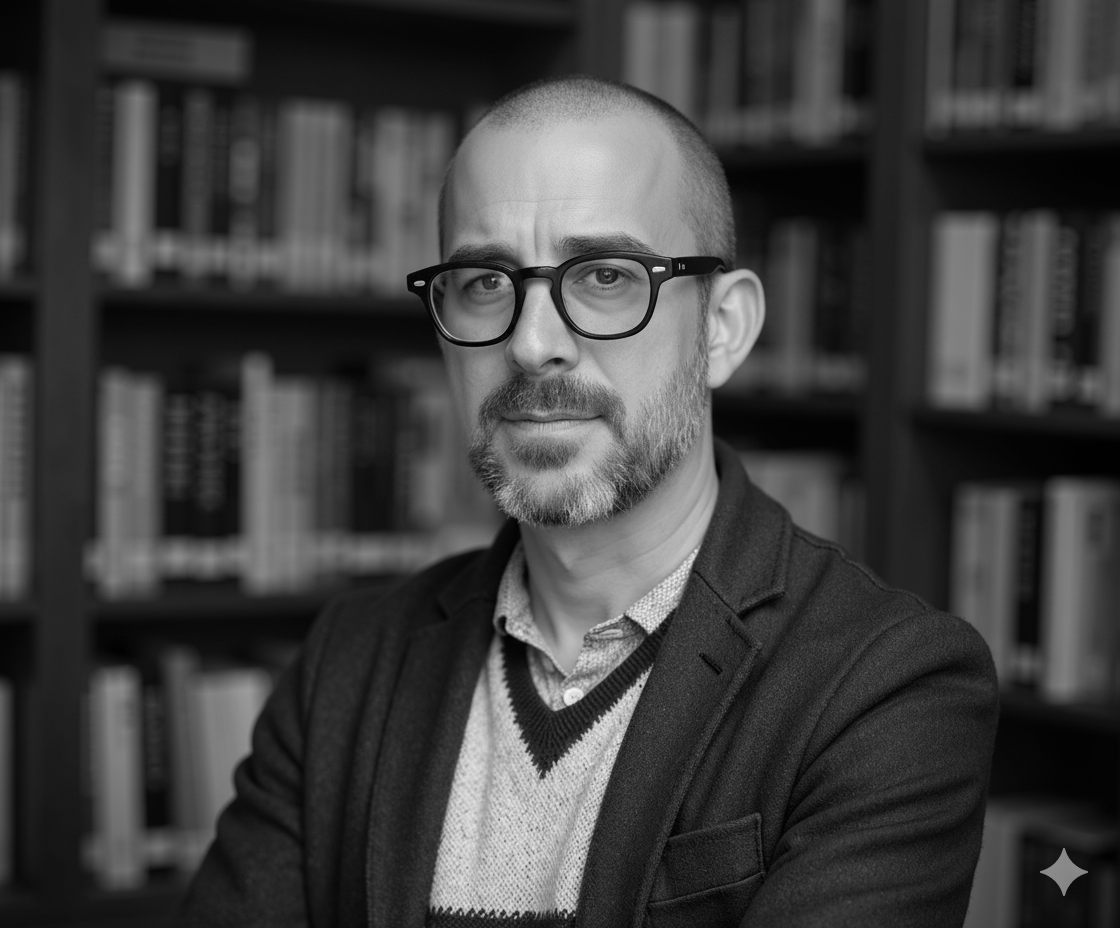
I traded my hair and my dignity for wisdom.
I traded my hair and my dignity for wisdom.
“To live content with small means—to seek elegance rather than luxury, and refinement rather than fashion—to be worthy not respectable, and wealthy not rich—to study hard, think quietly, talk gently, act frankly, to listen to stars, birds, babes, and sages with open heart—to bear all cheerfully, do all bravely, await occasions, hurry never; in a word, to let the spiritual, unbidden and unconscious, grow up through the common. This is to be my symphony.”
—William Henry Channing
Plumb
2020-2025
In 2020, I was curious about software as a lever for change, and after years of consulting with rapidly scaling startups, I wanted to see what all the fuss was about. So, I started a company called Murmur Labs, and raised $11.7M in venture funding from folks like Lerer Hippeau, Human Ventures, Scott Belsky, and Eric Ries. Originally, we were focused on asynchronous agreements and decision-making (how pandemic-coded) but we pivoted into AI when OpenAI’s davinci-002 was released. Over the next 2+ years, we built a world-class agentic workflow automation platform called Plumb. This gave me a front row seat into the world of AI, and what the world might look like if AGI/ASI is achieved.
The Ready
2015-2024
In late 2015, I took everything I had learned about organizations and poured it into The Ready, a future of work consultancy with an ambitious mission: to change how the world works. The basic premise was this: bureaucracy is a silent killer. Organizations need to be agile and adaptive, which means new ways of working and organizing. The Ready coaches leaders and their teams through transformations that change the way they work. I wrote a bestselling book about it called Brave New Work. Seth Godin called it “the management book of the year.” I got to travel the world speaking about it. Here’s my speech. I was also interviewed on some of my favorite podcasts. In early 2025, we converted The Ready into an Employee Ownership Trust.
Homesick Candles
2015-2016
In early 2015, my good friend Ricky Van Veen (CollegeHumor, Vimeo) had an idea: what if you used social data from platforms like Facebook to generate insights about products that might fill a void? Together with Ben Kaufman (Mophie, Camp) and Sriram Krishnan (Facebook, A16Z), we tested that hypothesis. The most successful product we launched was called Homesick Candles—candles that smelled like your home state. We targeted the social networks around people who had recently moved and created a gift business that reached 1% of the U.S. scented candle market in one year. We turned around and sold the company to Buzzfeed, because our “real” jobs demanded our focus.
Undercurrent
2007-2015
For my first act, I cofounded (alongside Josh Spear and Rob Schuham) a digital strategy firm called Undercurrent. The year was 2007, and Facebook had just 12 million users. People were lining up for the first iPhone. Tech was ascendent, and our timing was impeccable. Based in SoHo (across the street from Foursquare) we had unfair access to a whole host of startups that were about to shape the economy. We grew quickly, advising global organizations like PepsiCo, Ford Motor Company, and General Electric on how to leverage disruptive technologies ranging from social media to additive manufacturing. The company was sold in 2015. It did not go well.
Today, I create novel products and exceptional teams simply for the joy of building.
And I’m thinking about what’s next: for AI, for the world of work, and for me. You can read more about this on my Substack.
People say the nicest things.
“Aaron is a true master at the bleeding-edge of modern corporate strategy. He is one of the rare actionable deep thinkers in the digital world.”
— Scott Belsky
“Aaron offers a bold, ennobling vision for a world of work that enhances our dignity and freedom rather than degrading and constraining us.”
— Adam Grant
“I am now a convert. Aaron sums up all the crazy ideas about how to create teams and companies that maximize their potential by decentralizing their power.”